Scopus Indexed Conferences 2026: Verification and Proceedings Guide
Scopus indexing is the gold standard for academic conference proceedings. Here is how researchers can verify Scopus claims, check publisher approvals, and avoid predatory conference scams in 2026.

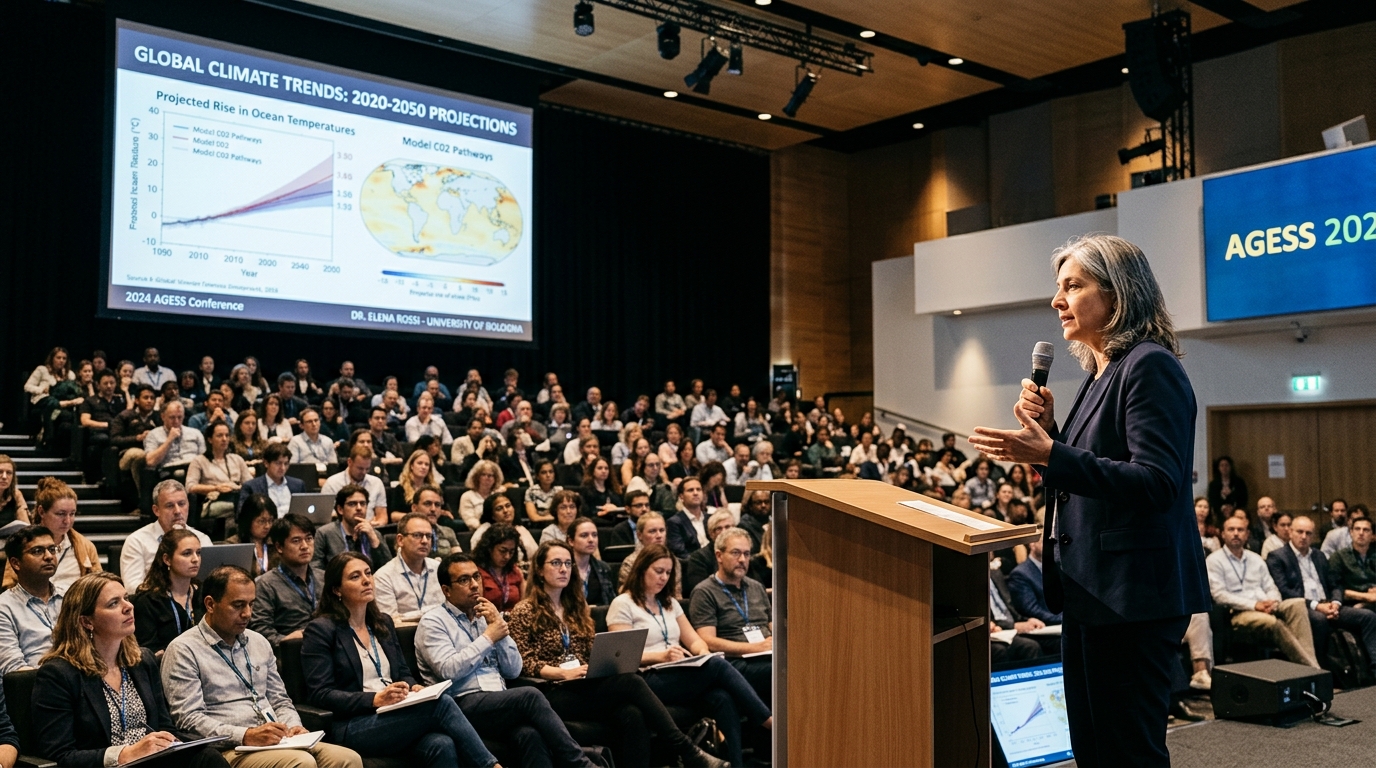
How Scopus Indexing Works for Conferences
A widespread misunderstanding among early-career researchers is assuming Elsevier (Scopus) directly indexes individual, standalone conference events. In reality, Scopus indexes the underlying Book Series, Proceeding Volumes, or Academic Journal Series.
Legitimate Scopus-indexed conferences partner with recognized global publishers—such as Springer (LNCS/LNEE), IEEE Xplore, AIP Conference Proceedings, or CRC Press—whose specific proceeding series holds an active indexing status in the Scopus database.
3 Essential Steps to Verify Scopus Claims
Before submitting your manuscript or remitting registration fees, follow this 3-step verification checklist:
Step 1: Request the Proceeding Series Title: Contact the organizers to get the exact title and ISSN/ISBN of the proceeding series.
Step 2: Check Active Scopus Coverage: Look up the proceeding series on scopus.com/sources to ensure coverage is current and not discontinued.
Step 3: Audit Past Proceeding Volumes: Search DBLP or Google Scholar for past editions of the conference series to confirm a consistent track record.

5 Red Flags of Fake Scopus Conferences
- Vague Scopus Badges: Displaying Scopus logos without specifying the publisher or proceeding series name.
- Guaranteed Indexing Promises: Promising "100% Scopus publication" before peer review takes place.
- Extremely Short Timelines: 24-to-48-hour acceptance letters.
- Payment to Personal UPI/Bank Accounts: Requiring fees sent to individual names instead of registered institutional accounts.
- Domain Created Recently: Domain WHOIS records registered less than 12 months ago.
Verify Any Conference Before You Pay
Paste any conference URL into ScholarVault to run an instant 18-point forensic audit against Scopus, Web of Science, and global threat registries.
Verify a Conference Free →